Get In Touch

.svg)
By Uday Akkaraju
It is a little before six when you wake up on your own. You feel good and rested. The night seems to have done its job. But then you reach for your phone and open your sleep app: 62. Not a good sleep night.
Almost immediately, you begin to question how you felt a few seconds earlier. That is the strange power of a sleep score. Nothing in your body changed after you looked at the screen, but your perception did. Does this happen to you too?
The difference between how you feel and what the score tells you is where the mystery lies. Which should you trust? The body that woke up feeling refreshed, or the number insisting that you didn't get enough sleep?
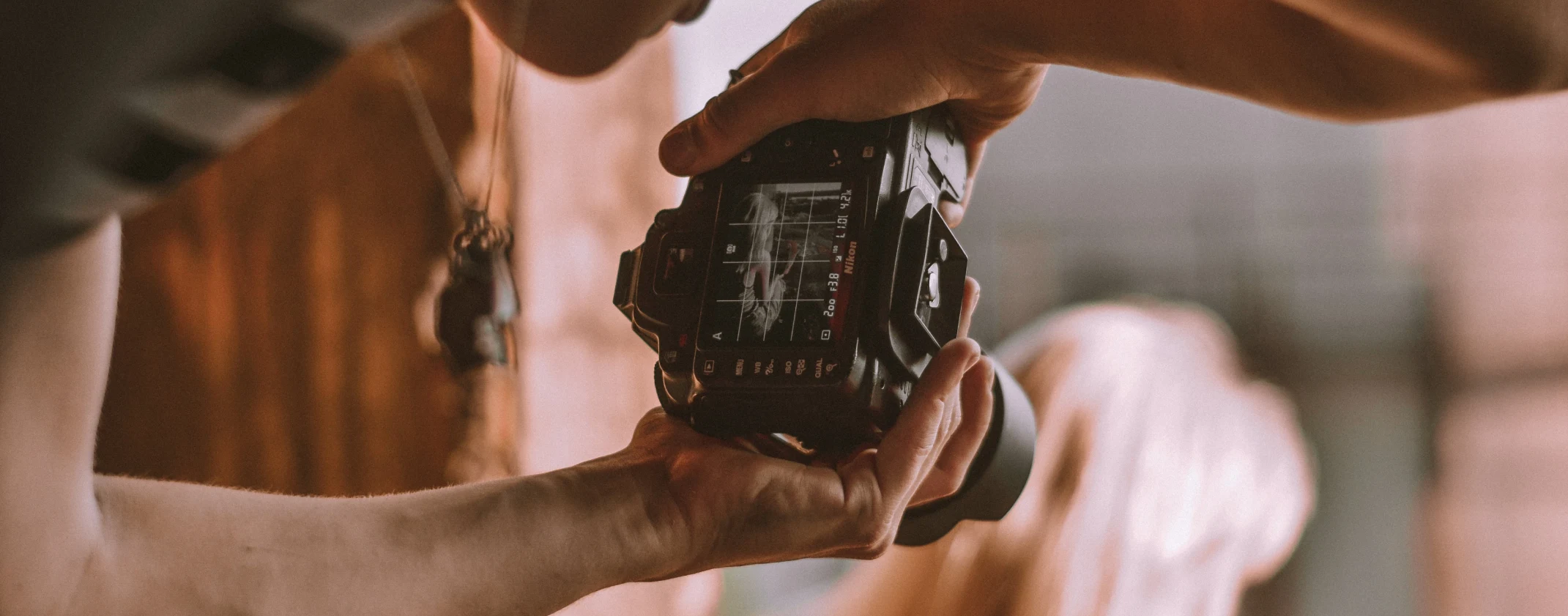
Dr. Kelly Baron kept living the same scene in her clinic: a patient would slide a phone across the desk, “here, look, something's wrong with my sleep”. It happened almost every week, people anxious, exhausted and certain that their bodies were failing them, all because a ring or a watch had told them so. But when she studied these patients, most were sleeping perfectly fine. The distress wasn't coming from their sleep. It came from their sleep score.
One patient panicked at getting "only 50% core sleep," and Baron had to explain that this is completely normal; more than half your night is supposed to be light sleep. The number wasn't wrong. Their understanding of it was. It happened enough that she and her colleagues gave it a name: orthosomnia, an unhealthy fixation on sleeping perfectly, manufactured almost entirely by the devices meant to help.
Here's the part the scores can't survive. Sleep need is genetic too: some people are fully restored at six hours, others genuinely need nine. A rare gene variant, BHLHE41, lets certain people thrive on far less with no measurable cognitive cost. Biology isn't one-size-fits-all, and yet the score grades everyone against the same imaginary average. What actually matters is cycles, not clock hours: wake in the middle of a 90-minute cycle, and you'll feel wrecked even after eight hours, while waking at the end of one can leave you sharp after six.
The most honest thing a sleep scientist can tell you, as Baron puts it, is that there is no optimal night of sleep. I find that liberating. Your device finds it unacceptable, because a number that admits "it depends" doesn't drive engagement.
Then there's the second fiction: the data doesn't even agree with itself.
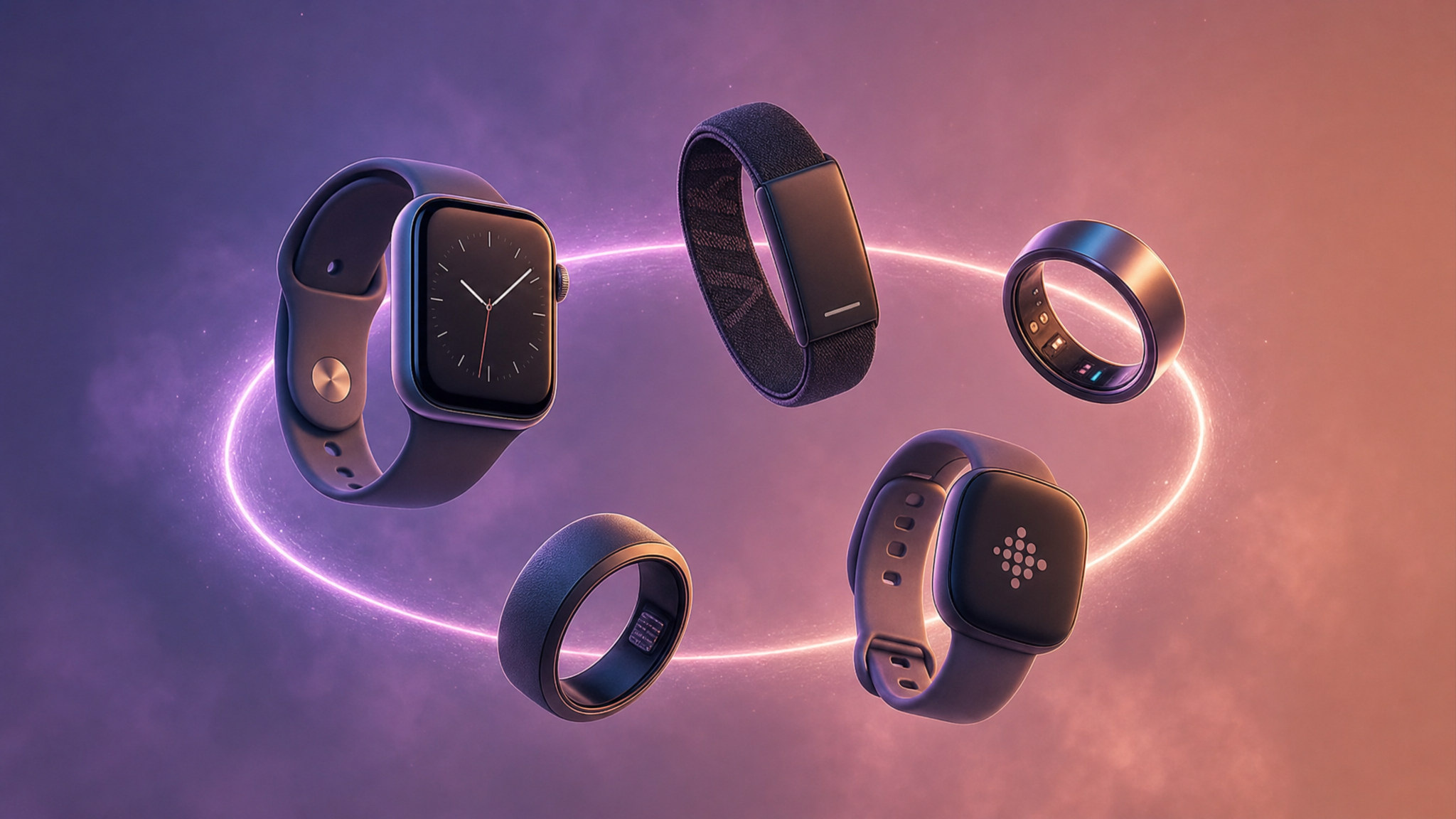
You sleep with five different wearables tonight and you'll wake up with five different answers.
Rings can misjudge total sleep by nearly an hour, and roughly 85% of people don't wear it every night anyway. Bad data produces bad advice.Normal sleepers get labeled insomniacs, while poor sleepers may be reassured, they're doing great.
What fascinates me is that we didn't just pick a bad metric, we picked the wrong thing to measure. A tracker grades last night: how long you were down, how much you moved, its best guess at your sleep stages. But what matters is how you feel today, not measurements you can no longer impact from last night.
Grading the sleep instead of the day is a little like judging a dinner by reading the recipe instead of tasting the food.
Worse, sleep is one of the few things in life that punishes trying harder. Chase the perfect night and you trigger the very stress that ruins it. Turn rest into a nightly test to pass, and of course people end up more anxious.
A night's sleep was never meant to be graded the instant you open your eyes. What matters is how your body carries you through the day, the steady energy after eleven, the calm despite a hard afternoon, the bounce-back after a brutal hour. Even the sleep scientists agree: what counts is how you feel and perform across the day, not the minutes you logged overnight.
So that's what our scientists at 101+ measure, not a score, but two living signals. If a sleep score only ever reads you the recipe, these are how you finally taste the meal: your bio-battery and your recovery. Bio-battery is your charge right now, i.e how much energy you've actually got in the tank at this moment. Your recovery is the current running underneath it; how well your body is bouncing back. One tells you how you feel, the other how ready you are. Both read from a quick face scan you can take whenever you want, not shoved at you the second you wake: heart rate, blood pressure, daytime HRV, a live window into your nervous system. And at night, if you're curious, sleep mode tells you how many hours you actually need, learned from your own days.
So going back to my original question: is your sleep score lying to you? Really, it's just answering the wrong question and calling a guess the truth. Because your body has been keeping its own count all along. Honest, personal, updated by the minute. It told you how you were the moment you woke up this morning, the way it does every morning, if only someone would listen.
The wearables handed you a number and called it the truth. We built the opposite, something that finally listens to how you actually feel. So the next time a score tells you that you failed, check it against the one instrument that has never lied to you.
Your body already knows. Let's finally learn to read it, not judge it.
.webp)
101 Plus (“We,” “Us,” Or “Our”) operates as a technology-driven longevity and preventive care platform, combining health tracking and biomarker insights with unlimited access to a clinician and personal AI Advisor. We are not a healthcare provider, and we do not create any provider-patient relationship. Our AI assistant provides personalized wellness insights based on your data and test results, but this information is AI-generated, may be inaccurate or incomplete, is not FDA-approved, and is intended for general wellness purposes only—not to diagnose, treat, cure, or prevent any disease. Always consult a qualified healthcare professional before making any health decisions, and never disregard or delay professional medical advice based on information from the platform. If you are experiencing a medical emergency, call 911 or seek immediate care.